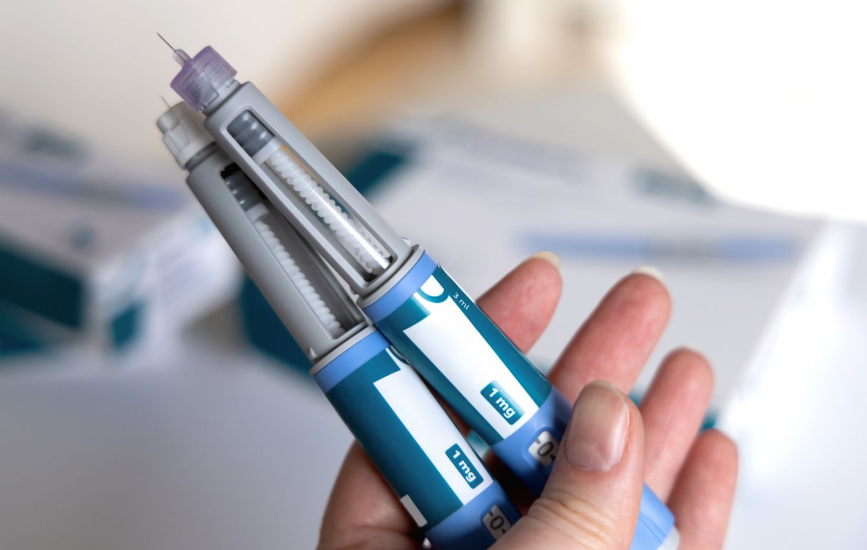
For those exploring gpl1 meds as a potential tool in managing weight or blood sugar, understanding the real cost and access challenges is crucial. While these medications have gained attention for their role in treatment plans, navigating insurance coverage, pricing, and availability can be complex. This article breaks down the key factors to consider when evaluating gpl1 meds, helping you make an informed decision based on practical realities rather than marketing promises.
Understanding gpl1 Meds and Their Role
Gpl1 meds refer to a class of drugs that mimic the glucagon-like peptide-1 hormone, impacting appetite regulation and glucose metabolism. They are often prescribed for conditions like type 2 diabetes and, more recently, for weight management under medical supervision. Though promising in controlled settings, the use of gpl1 meds involves balancing benefits with cost and accessibility factors that can influence long-term treatment success.
The Cost Landscape of gpl1 Meds
One of the most significant considerations with gpl1 meds is their price point. These medications can range from several hundred to over a thousand dollars per month without insurance. The high cost is influenced by factors such as brand-name pricing, patent protections, and the complexity of manufacturing. Even with insurance, copays and deductibles vary widely, and some plans may not cover these newer treatments at all.
Patients often face decisions about whether the potential benefits justify the ongoing expense, especially when out-of-pocket costs accumulate. Additional financial factors include the need for regular medical visits, monitoring, and potential lifestyle adjustments, all of which can add to the overall financial commitment.
See also: The Omnichannel Bridge: Syncing Physical Traffic with Digital Marketing
Access Challenges and Geographic Variations
Access to gpl1 meds is not uniform across regions. Rural areas or locations with fewer specialized healthcare providers may find it more difficult to obtain prescriptions or follow-up care. Additionally, some clinics may limit prescriptions to certain patients based on eligibility criteria or clinical guidelines.
Pharmacy stock and insurance formularies also impact accessibility. Not all pharmacies carry the full range of gpl1 meds, and some insurers restrict coverage to specific brands or dosages. This can create hurdles in obtaining the preferred medication or dosage, potentially affecting treatment continuity.
Practical Evaluation Framework for gpl1 Meds
Evaluating whether gpl1 meds are a feasible option involves several steps:
1. Insurance Verification: Check with your insurance provider about coverage details, copay amounts, and any prior authorization requirements.
2. Cost Comparison: Inquire with multiple pharmacies about cash prices and any discount programs available.
3. Medical Eligibility: Consult with your healthcare provider to understand if you meet the clinical criteria and to discuss possible alternatives.
4. Access Logistics: Consider the availability of follow-up care, necessary laboratory tests, and local pharmacy stocks.
5. Long-Term Planning: Reflect on how the medication fits into your budget and lifestyle over time, including potential changes in coverage or health status.
By systematically assessing these factors, you can make a more grounded decision about pursuing gpl1 meds as part of your health plan.
Insurance Coverage and Assistance Programs
While insurance coverage for gpl1 meds is improving, it remains inconsistent. Some plans cover these medications fully, others partially, and some not at all. Patient assistance programs from pharmaceutical companies or nonprofit organizations may offer financial aid, but eligibility criteria often apply.
It is advisable to explore these options early in the decision-making process to avoid surprises later. Healthcare providers and pharmacists can be valuable resources in identifying available assistance programs or alternative treatments that might be more affordable.
Comparing gpl1 Meds Options: Brand vs. Generic and Newer Formulations
Currently, most gpl1 meds are available under brand names, with generic versions still limited. New formulations, such as weekly injectables versus daily, can influence convenience and cost. Some newer therapies may carry premium pricing due to advanced delivery mechanisms or perceived effectiveness.
Patients must weigh these differences alongside personal preferences, insurance coverage, and healthcare guidance. Sometimes, a slightly more expensive medication with better adherence potential may be more cost-effective in the long run.
For a comprehensive look at different gpl1 meds, their uses, and cost considerations, this FormBlends breakdown provides detailed insights to guide your research.
Short FAQ
What should I ask my doctor about gpl1 meds?
It is helpful to discuss your health goals, possible side effects, cost expectations, and how these medications fit with your overall treatment plan.
Are there lifestyle changes needed when taking gpl1 meds?
Healthcare providers typically recommend combining medication with diet, exercise, and regular monitoring, but the specifics depend on individual circumstances.
Can I use gpl1 meds without insurance?
While possible, paying out of pocket can be expensive. Exploring discount programs or patient assistance may reduce costs, but careful budgeting is essential.
Final Note
This article aims to provide a balanced overview of cost and access considerations related to gpl1 meds. It is important to consult with qualified healthcare professionals and consider personal financial situations before making treatment decisions. The information here is for educational purposes and not a substitute for professional medical advice.