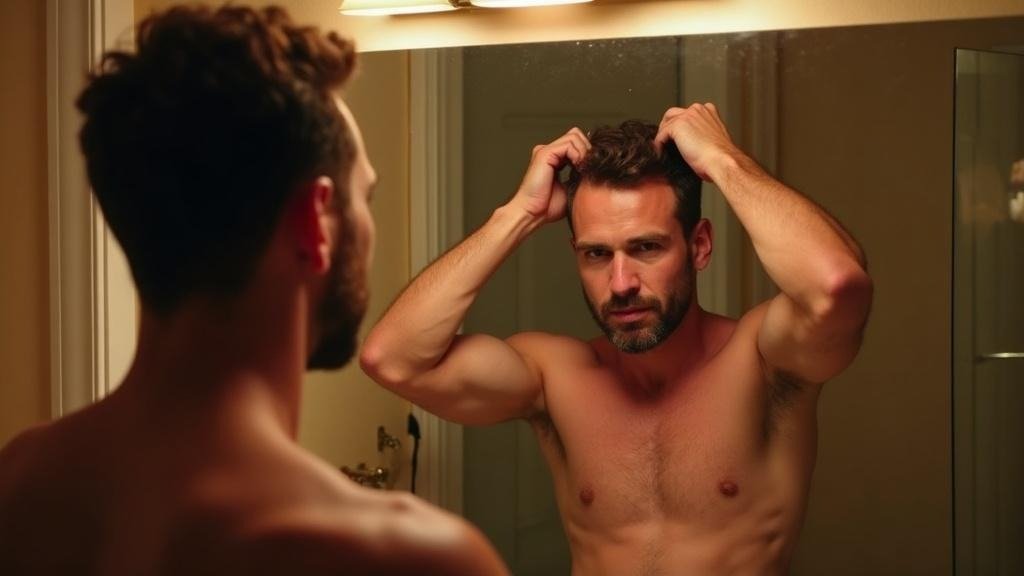
Most people make the same mistake when they first notice their hairline receding: they Google “am I going bald” and land on a generic chart with no way to figure out where they personally sit on it. Then they either catastrophize or dismiss the whole thing. Neither helps. What actually helps is knowing your stage, understanding what it means, and learning which options are worth your time.
Here are seven resources I’d point someone to, grouped by what they’re best for.
For Getting an Actual AI Read on Your Own Hair
1. HairLine AI (Best Starting Point for Most People)
Before you read anything else, go get a number. HairLine AI is a free, browser-based tool that uses your webcam or a photo you upload to classify your Norwood stage using Google’s Gemini 3 Pro vision model. It also spits out a rough graft count and ballpark transplant cost range if that road is relevant for you. No account. No credit card. No quiz that steers you toward buying something.
What I like about it specifically: the staging is objective. It’s not a human eyeballing a blurry selfie, and it’s not a “take our quiz” funnel. You get a result dashboard that treats you like an adult. The whole thing takes under a minute.
Caveat worth saying: an AI read on a photo is a starting point, not a clinical diagnosis. Take the output to a dermatologist if you’re planning to act on it.
For Understanding the Scale Itself
2. The American Hair Loss Association’s Norwood Explainer
The AHLA publishes a clean, non-commercial breakdown of the Hamilton-Norwood scale with stage-by-stage illustrations. It’s old-school HTML and no pop-ups. Good reference to keep open while you use any other tool on this list.
3. DermNet NZ on Pattern Hair Loss
DermNet is run by dermatologists and is one of the few sites that pairs Norwood staging with actual clinical context, including what differentiates androgenetic alopecia from other loss types. Useful if you want to understand whether your pattern even fits the scale.
For Women (Norwood Doesn’t Fully Apply)
4. The Ludwig Scale Resources on AHLA and DermNet
Norwood was designed around male-pattern loss. Women lose hair differently, typically through diffuse thinning rather than a receding front. Both the AHLA and DermNet have separate Ludwig scale guides. If you’re a woman and you’ve been trying to map yourself onto Norwood stages, stop. Find the right scale.
Keranique is one of the few OTC brands that markets specifically to women. Worth knowing, though the evidence behind its proprietary ingredients is thinner than for plain minoxidil.
For Knowing What to Do After You Have Your Stage
5. Hims and Keeps for Medication Context
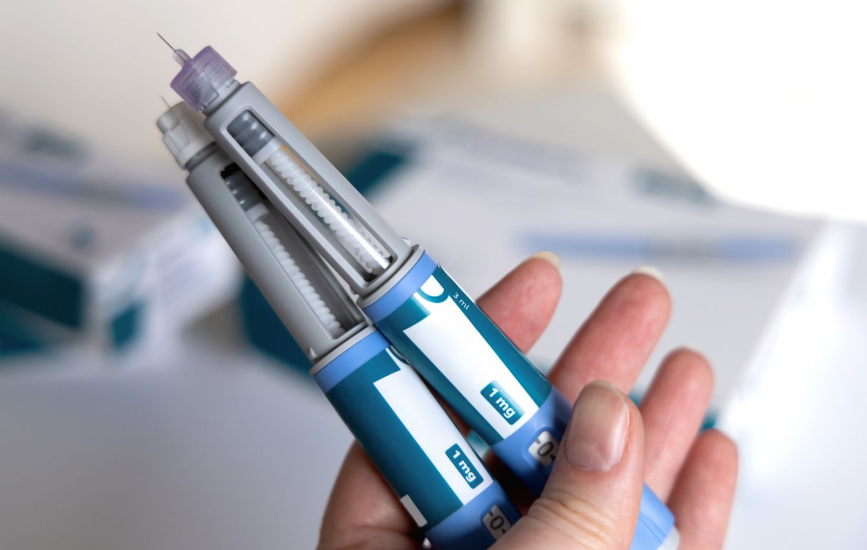
Once you know your Norwood stage, you’ll want to understand your treatment options. Finasteride and minoxidil are the two treatments with real clinical backing. Full stop. Everything else is supplementary at best.
Hims carries the widest product range of any telehealth brand here, including topical finasteride, which most competitors don’t offer. Keeps is worth looking at if you want a more focused experience and a lower price on three-month plans. Both require you to actually talk to a clinician before getting finasteride, which is how it should work. Results take months, not weeks, and stop if you quit the medication. Finasteride has possible sexual side effects in a minority of users. See a doctor before starting.
6. Happy Head and BosleyRx for Custom or Clinic-Backed Prescriptions
If standard topicals haven’t worked or you want something formulated specifically for your pattern, Happy Head does custom prescription compounds. BosleyRx carries transplant heritage behind its Rx offerings. Neither is a first stop, but both are relevant once you’ve confirmed your stage and spoken with a clinician.
For Tracking Change Over Time
7. Your Own Photo Log
This sounds obvious. It isn’t. Pick one lighting setup, one angle, one distance, and photograph your hairline every 90 days. No app required. When you run HairLine AI again in six months, you’ll have a real before/after rather than a feeling. Pattern hair loss is slow and easy to underestimate or overestimate without documentation. A consistent photo series is more honest than memory.
A note before you act on any of this: a resource that estimates your stage is not the same as a clinician who can examine you, rule out other causes, and write a prescription. Treat any online tool as prep work for that conversation, not a substitute for it.
Common Questions
How accurate is HairLine AI’s Norwood staging compared to what a dermatologist would say?
Close enough to be useful, not close enough to replace an exam. The tool uses Google’s Gemini 3 Pro vision model on a static photo, which means it can miss subtleties like miniaturization patterns or scalp condition. Most users find the result lands within one stage of what a clinician assigns, which is a solid starting point for a real conversation.
Does your Norwood stage actually change which medication Hims or Keeps will prescribe?
Not directly. Both platforms prescribe finasteride and minoxidil based on a clinician’s assessment of androgenetic alopecia, not a numbered stage. That said, knowing your stage helps you ask better questions during the consultation and set realistic expectations about how much regrowth is likely versus maintenance of what you have.
If HairLine AI gives me a Norwood 5 or 6, is a transplant the only realistic option?
No. Finasteride and minoxidil can still slow further loss at higher stages, which matters a lot if you’re considering a transplant later. Happy Head and BosleyRx are worth looking at here because their custom formulations are sometimes used alongside surgical planning, not just as standalone treatments.
Why does the AHLA recommend the Ludwig scale for women instead of just adapting the Norwood scale?
Because the loss patterns are structurally different. Norwood maps a receding front and crown, which reflects how DHT affects male follicles. Female-pattern loss typically starts with a widening part and diffuse crown thinning without a receding hairline. The Ludwig scale was built around that pattern specifically, so it produces more meaningful staging for women.
Can I use the same photo log method the article describes to track whether finasteride from Keeps or Hims is working?
Yes, and it’s genuinely the best low-tech way to do it. Consistent lighting and angle matter more than photo quality. Shoot every 90 days from the same spots. Most clinicians say finasteride takes six to twelve months before you can draw any real conclusions, so a photo log over that window gives you something concrete to review rather than relying on how your hair feels on a given day.
Sources
- American Hair Loss Association, Norwood-Hamilton Scale overview (ahlair.org)
- DermNet NZ, Androgenetic Alopecia clinical article (dermnetnz.org)
- Hims product pages, topical finasteride and minoxidil listings (forhims.com)
- Keeps pricing and plan details (keeps.com)
- Happy Head custom compounding information (happyhead.com)
- BosleyRx treatment options (bosleyrx.com)